

Acne
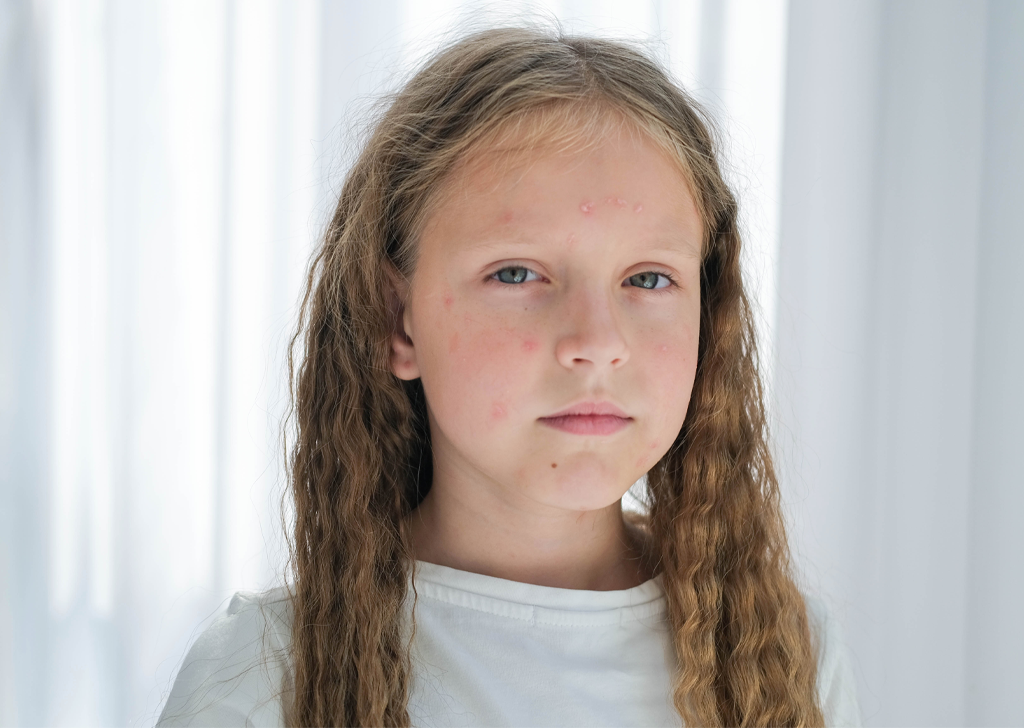
Acne is a common skin disorder in adolescents caused by multiple factors including hormones, excess skin oil produced by sebaceous glands, dead skin cells, and bacterial overgrowth. Treatment starts at home with good skin hygiene.
Daily Skincare Basics
- Cleanse Gently: Wash the face twice a day (morning and night) and after sweating or playing sports using a mild, non-comedogenic cleanser and lukewarm water. Avoid harsh scrubbing, which irritates skin and can worsen breakouts.
- Moisturize and Protect: Apply an oil-free, non-comedogenic moisturizer daily to prevent skin dryness and peeling. Use a broad-spectrum sunscreen (also non-comedogenic) every morning, especially if using acne treatments that increase sun sensitivity.
- Avoid Skin Irritants: Applying make-up and other cosmetic products to the face can clog skin pores and make the skin more oily. Be judicious whenever applying make-up, especially if you have sensitive skin. Always wash off make-up at the end of the day.
Initial Treatment Options
- Benzoyl Peroxide: Reduces acne-causing bacteria and helps clear clogged pores. Start with lower strengths (like 2.5% or 5%) to reduce irritation, and note that it can bleach towels, sheets, and clothes.
- Salicylic Acid: Helps unclog pores and shed dead skin cells; often gentler than benzoyl peroxide.
- Adapalene (OTC Retinoid): Helps keep pores clear and prevents new breakouts. Usually applied at night and can cause initial skin dryness.
When to See a Pediatrician or Dermatologist
Schedule a medical visit if:
- OTC treatments don't show improvement after 6 to 8 weeks (or up to 2–3 months) of consistent use.
- Breakouts are deep, painful, or cystic.
- Scarring or dark spots are developing.
- Acne covers wide areas (such as chest or back) or is hurting your child's mood, self-esteem, or social life. Doctors can offer prescription topicals, oral antibiotics, hormonal options, or isotretinoin when appropriate.
Quick Links

All Pediatric Services
Learn More
Keep
In Touch

Office Hours
- Monday 9:00 am - 6:00pm
- Tuesday 9:00 am - 6:00pm
- Wednesday 9:00 am - 6:00pm
- Thursday 9:00 am - 6:00pm
- Friday 9:00 am - 6:00pm
- Saturday 8:00 am - 9:00 am
- Sunday Closed
Contact Info
Office Address: 1294 W 6th St #102
San Pedro, CA 90731
Call Or Text(310) 832-6487
Fax(310) 832-6913
© 2026 San Pedro Pediatric Medical Group. All rights Reserved. Accessibility Statement - Privacy Policy - Sitemap
Powered by:
